Brakes are one of the most critical safety components on your vehicle, and yet they’re often one of the most misunderstood. At Qwik Oil & Auto Care in Prosper, TX, we get questions about brake pads all the time—especially about when they should be replaced. The truth is, there’s no single mileage number that applies to everyone. Brake pad lifespan depends on how, where, and what you drive. So let’s break it down and talk through what really matters when it comes to knowing when to replace brake pads—and how to keep your vehicle safe on the road.
Why Brake Pads Matter More Than You Think
Before we talk about how often they need replacing, it’s worth understanding what brake pads do. When you press the brake pedal, your car’s brake pads clamp down on the brake rotors (or discs) to create friction. This friction is what slows your vehicle down.
Over time, that friction wears down the brake pads—just like the soles of your favorite shoes. If you ignore them for too long, you risk damaging other, more expensive parts of your braking system. Even worse, you put yourself and others in danger. That’s why replacing your brake pads on time isn’t just good car maintenance—it’s smart safety.
So, When Should You Replace Your Brake Pads?
Here’s the mechanic’s honest answer: it depends. On average, most brake pads last anywhere from 25,000 to 70,000 miles. That’s a wide range, right? That’s because how long your brake pads last is affected by several real-world factors:
- Driving habits: If you brake hard and often, like in stop-and-go traffic, your pads will wear out faster.
- Where you drive: Hilly terrain requires more frequent braking than flat highways.
- Type of brake pad: Ceramic pads typically last longer than organic ones, though they can cost more upfront.
- Vehicle weight and performance: Heavier vehicles and performance cars tend to wear through pads more quickly.
The best way to know when to replace brake pads is to pay attention to how your car feels and sounds. That brings us to…
Signs of Worn Brake Pads
You don’t need to be a mechanic to know your brakes need attention. Here are some common red flags that your brake pads are wearing thin:
- Squeaking or squealing: A high-pitched sound when braking usually means the built-in wear indicators are doing their job, telling you it’s time for service.
- Grinding noise: If you hear a grinding sound, your brake pads are likely worn down to the metal. This can damage your rotors and lead to expensive repairs.
- Vibration when braking: If your steering wheel or brake pedal vibrates, it could mean uneven wear or warped rotors.
- Longer stopping distance: If your car doesn’t stop as quickly as it used to, your brake pads may be too thin to work effectively.
- Dashboard brake warning light: If this light comes on, it’s time to schedule an inspection—don’t ignore it.
If you’re noticing any of these signs of worn brake pads, don’t wait until your next oil change to bring your car in. At Qwik Oil & Auto Care, we can inspect your brakes on the spot and let you know if it’s time for replacement.
Can You Visually Inspect Brake Pads?
Yes, and we encourage it—especially if you’re comfortable doing a quick check behind the wheels. You’ll usually be able to see the brake pads through the spokes of your wheels. If the pad material looks thinner than a quarter of an inch, it’s time to get it looked at.
Keep in mind, not all brake pads are equally visible, especially on newer or high-performance vehicles. Some setups make a visual inspection nearly impossible without removing the wheel. That’s why many drivers trust a local shop like ours to do a professional brake check.
How Brake Pad Lifespan Varies by Pad Type
Not all brake pads are created equal. Here’s a quick guide to help you understand the difference:
- Organic brake pads: Made of materials like rubber, glass, and resin, these are quieter and affordable but tend to wear out faster.
- Semi-metallic brake pads: These offer good durability and performance, making them a solid choice for most drivers. However, they can be noisier and cause more rotor wear.
- Ceramic brake pads: Known for long life and quiet operation, these are popular in newer vehicles. They’re more expensive but tend to last longer and perform consistently.
If you’re not sure what type your vehicle uses—or what would be best for your driving habits—our ASE-certified team at Qwik Oil & Auto Care can help you choose pads that strike the right balance between performance, longevity, and cost.
What Happens If You Wait Too Long?
Delaying brake pad replacement can turn a simple service into a costly repair. Once the pad material wears down completely, the metal backing plate will grind directly against the rotor. This can damage the rotor’s surface or even warp it, requiring a full brake job instead of just pad replacement.
Beyond the cost, you’re putting your safety at risk. Worn brake pads reduce your ability to stop quickly in an emergency. That could be the difference between a close call and a collision.
At Qwik Oil & Auto Care, we’ve seen it all—from minor wear to full-blown rotor damage caused by ignoring early warning signs. That’s why we believe in being proactive. A brake inspection today could save you hundreds of dollars—and give you peace of mind.
Tips to Make Your Brake Pads Last Longer
While brake pads are a wear item that will need replacing eventually, there are ways to extend their lifespan:
- Drive smoothly: Avoid hard stops whenever possible. Ease into braking to reduce unnecessary stress on the pads.
- Use engine braking: Especially on hills, let your transmission help slow the car down instead of riding the brakes.
- Don’t overload your vehicle: Carrying extra weight puts more strain on your brakes, causing faster wear.
- Follow a maintenance schedule: Regular brake inspections catch small issues before they become big problems.
Our team can help you build a maintenance plan based on your driving habits, so your brakes stay in top shape for longer.
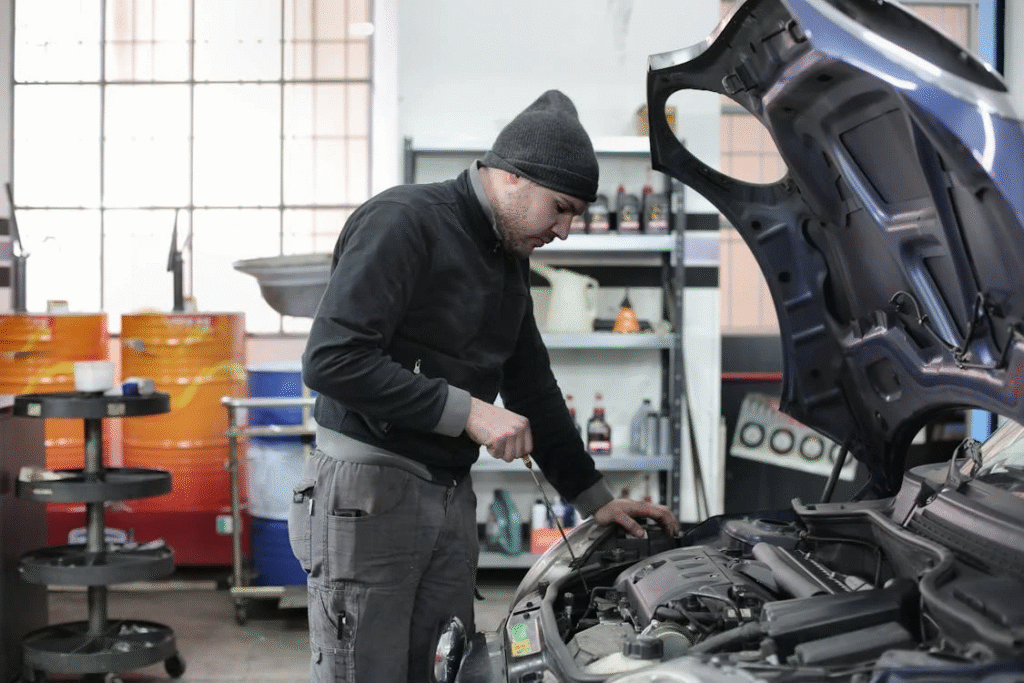
Don’t Trust Your Brakes to Just Anyone
Brakes aren’t something to gamble on. Whether you’re driving a family SUV, a sporty coupe, or your daily commuter, your braking system deserves expert attention. At Qwik Oil & Auto Care, we combine dealership-level diagnostics with the personalized care of a local shop.
Our ASE-certified technicians don’t just swap out parts—we perform thorough brake system inspections to ensure everything is working as it should. We’ll never upsell you on services you don’t need, and we always walk you through our findings so you can make an informed decision.
We service all makes and models, from everyday cars to exotics, using only quality parts from trusted brands. Plus, we’re part of the Prosper community, and we treat every customer like a neighbor—because that’s exactly what you are.
If your car’s brakes have been squealing, grinding, or just not feeling right, don’t wait for it to get worse. Stop by Qwik Oil & Auto Care in Prosper, TX, and let our experienced team give your vehicle a free brake inspection. We’ll tell you honestly whether your pads are good to go or ready to be replaced—and we’ll get you back on the road safely and quickly. Schedule your appointment today and experience the honest, efficient, no-pressure service your vehicle deserves.